Strengthening America’s Critical Mineral Future
Strengthening America’s Critical Mineral Future
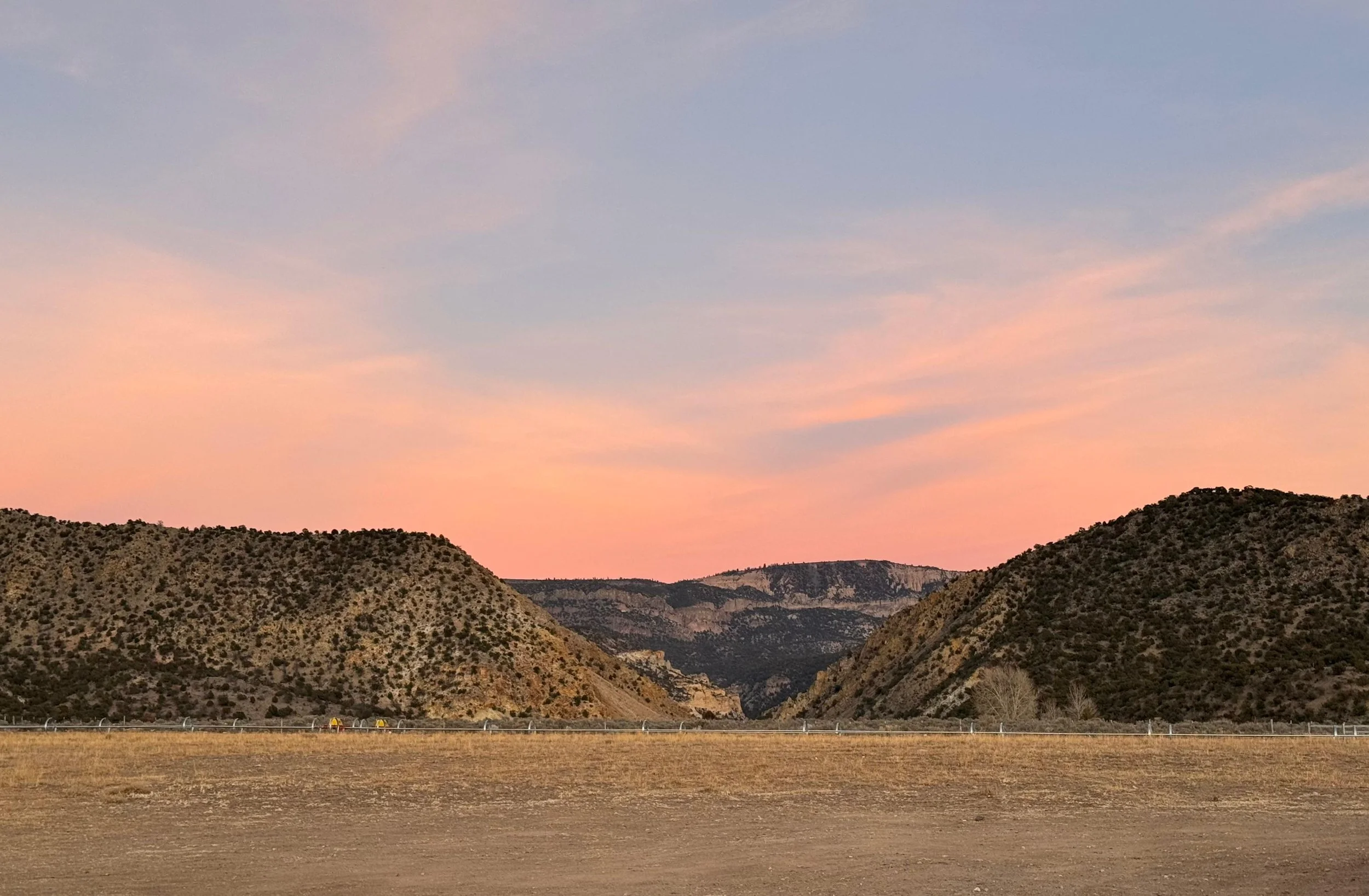
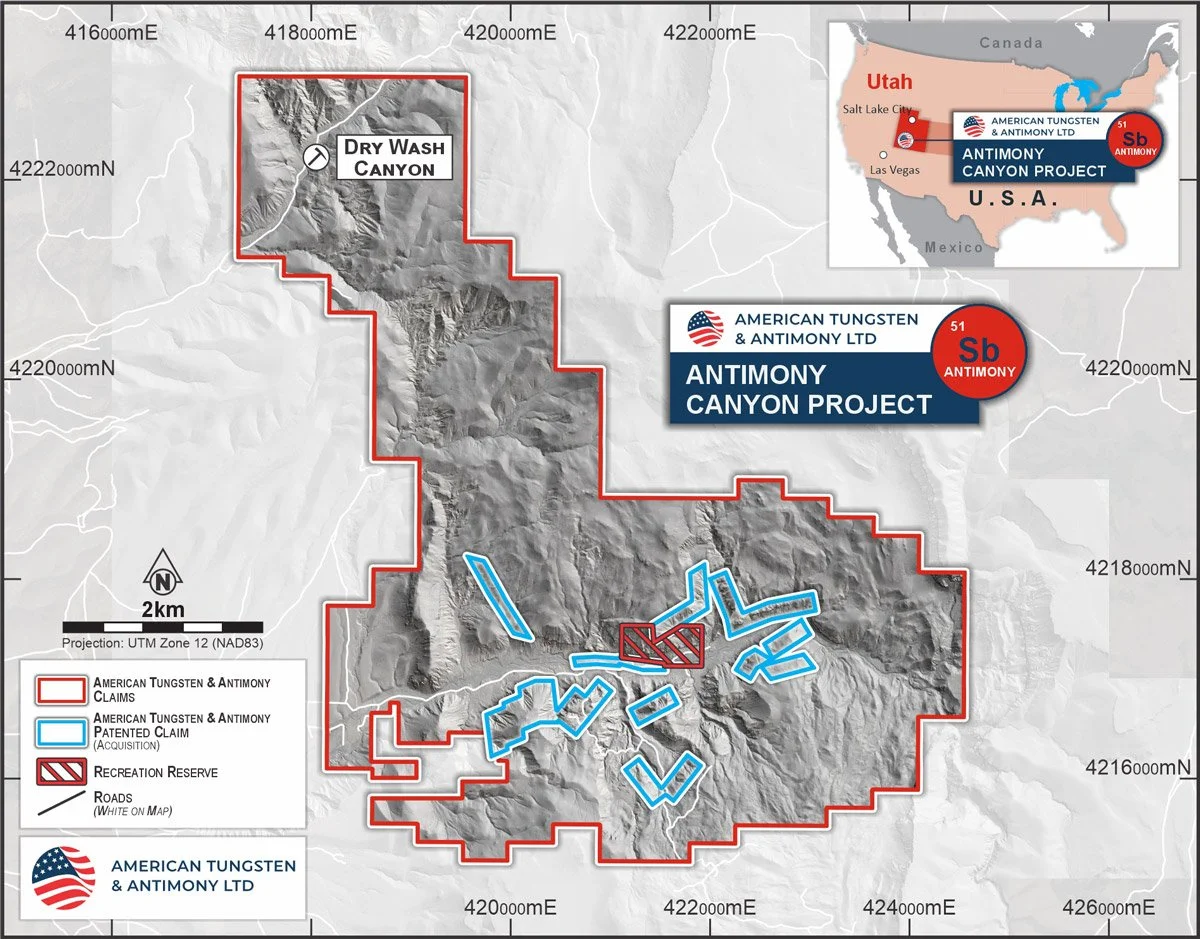
The Antimony Canyon Project, led by American Tungsten & Antimony Ltd, is focused on developing one of the United States’ most significant known antimony resources in Garfield County, Utah. Antimony is a U.S. designated critical mineral essential to defense systems, energy infrastructure, electronics, and fire safety.
At a time when the United States is working to reduce reliance on foreign supply chains, projects like Antimony Canyon represent an important step toward rebuilding domestic production of strategic minerals and strengthening national security and supply chain resilience.
Through careful planning, environmental stewardship, and strong community engagement, the project aims to deliver long-term, sustainable benefits while protecting the natural character of the region.
The Antimony Canyon Project in Garfield County is a proposed mining and processing initiative designed to help restore a secure, reliable, and domestically controlled supply of antimony.
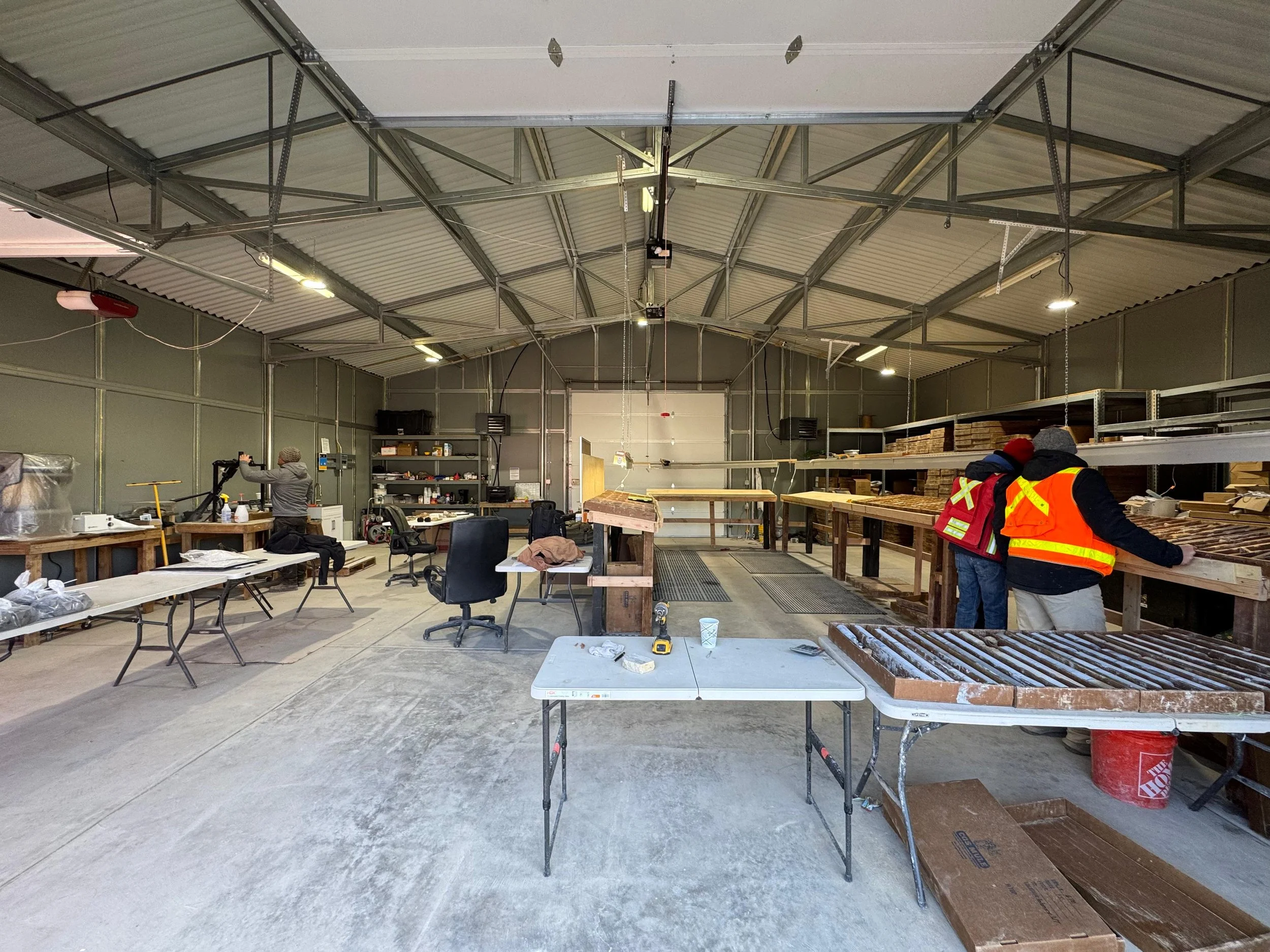
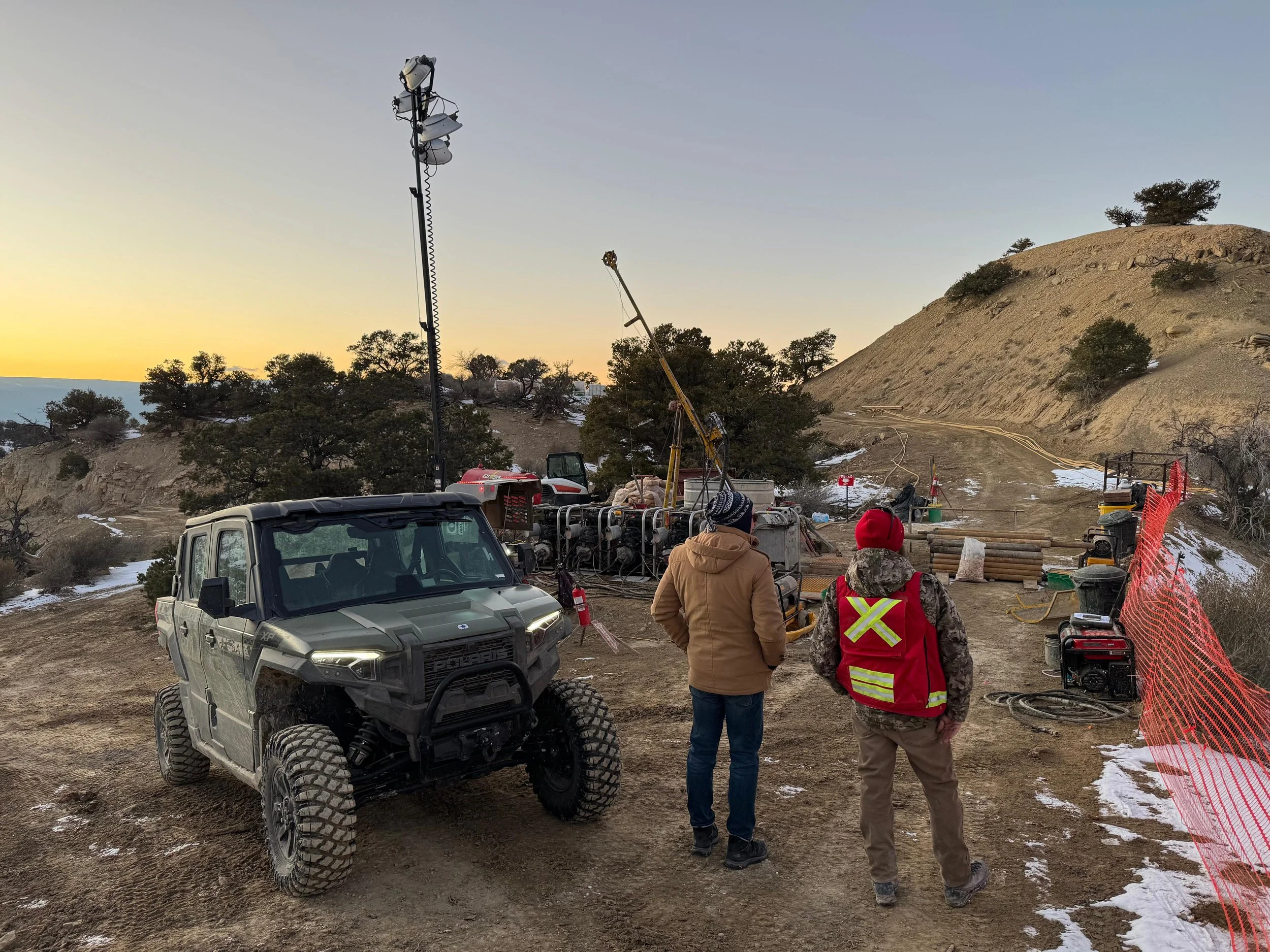
The project will advance in clearly defined stages, beginning with environmental and cultural baseline studies, followed by resource evaluation and pilot-scale processing to determine the most responsible, efficient, and environmentally sound development pathway.
Project Overview
Our Approach
Use of modern, low-impact mining techniques
Environmental studies completed before development begins
Water conservation and recycling wherever possible
Processing methods that avoid toxic chemicals
Full compliance with all federal, state, and local regulations
Every phase of the project is designed to ensure responsible development, transparency, and meaningful community involvement.
A Utah Legacy of Mining & A Future of New Opportunity
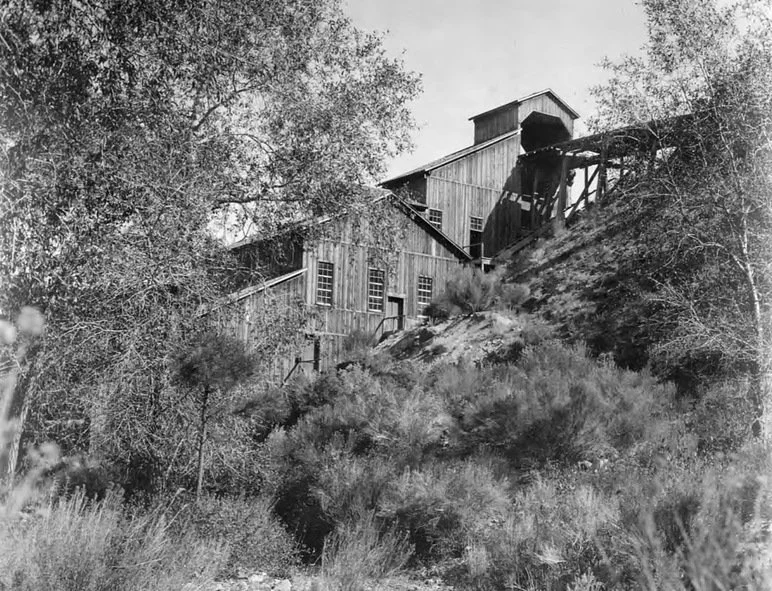
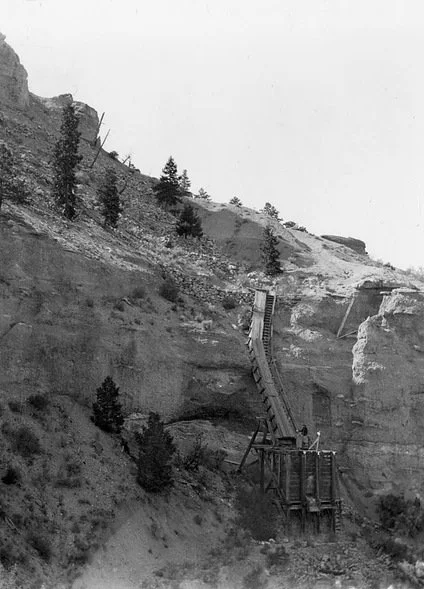
The town of Antimony, Utah, was named for the mineral that helped shape its early history. Mining in the region played a vital role during World War I and World War II, supplying materials essential to national defense.
American Tungsten and Antimony currently have 311 unpatented claims, and owns 20 patented claims on ATAA’s privately owned land.
Today, the Antimony Canyon Project answers the call to compete in the global mineral race with China—strengthening domestic supply chains while honoring the town’s legacy of supporting America’s most critical needs.
Antimony: Essential to National Security and Modern Life
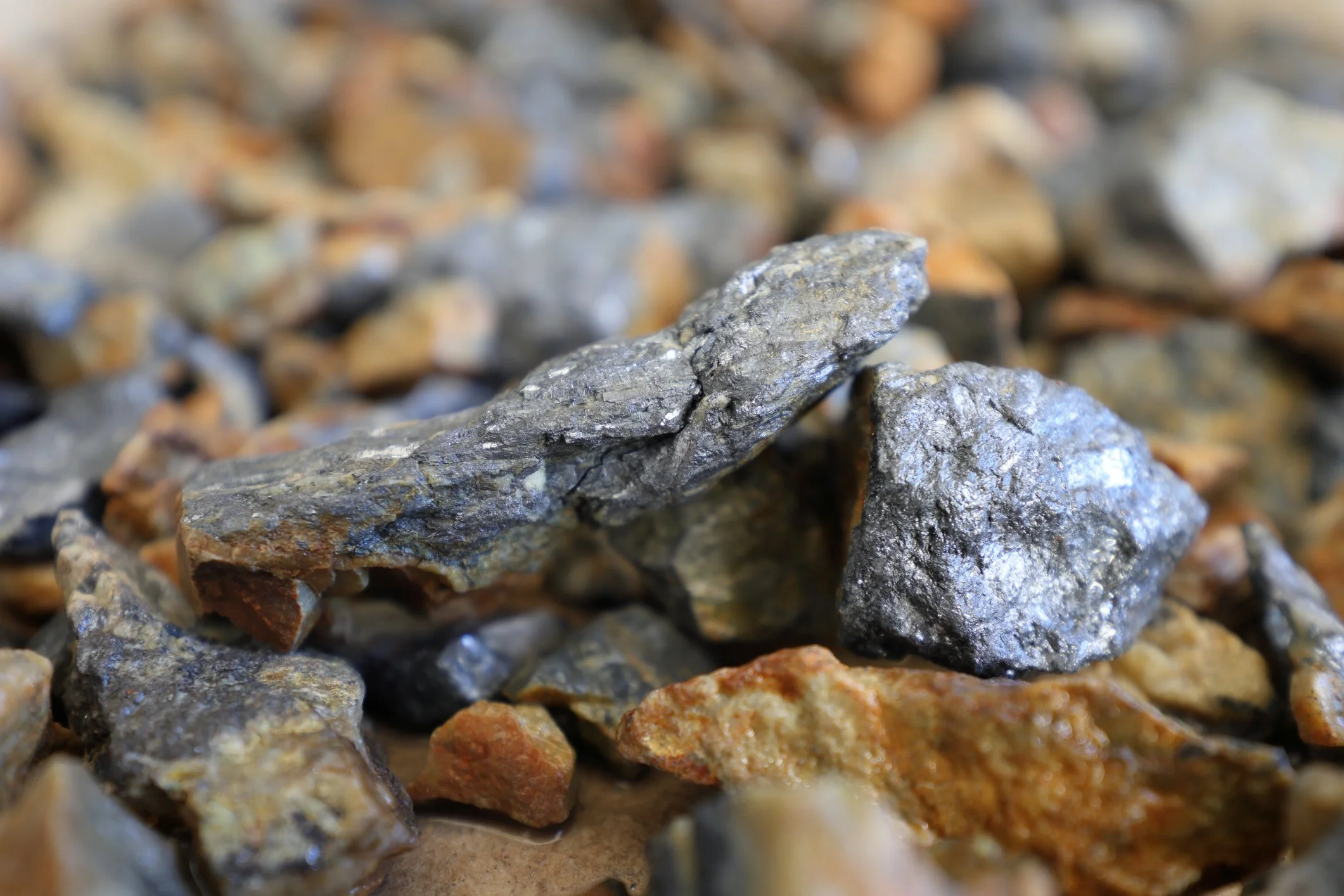
Antimony is a U.S.-designated critical mineral because it is essential to technologies that support national security, energy systems, and everyday infrastructure, including defense systems, energy storage, and advanced manufacturing applications.
Where Antimony is Used
Defense and National Security
Ammunition and military-grade alloys
Night vision systems and infrared technologies
Electronics used in defense and communications systems
Energy Storage and Grid Reliability
Lead-acid batteries used in vehicles, backup power, and grid systems
Emerging applications in next-generation energy storage
Fire Safety and Infrastructure
Flame retardants used in building materials, transportation systems, and consumer products
Safety components in electrical systems and public infrastructure
Electronics and Advanced Manufacturing
Semiconductors and circuit boards
Glass, ceramics, and specialized industrial materials
Renewable Energy
Components used in solar and clean energy technologies
Reducing Reliance on Foreign Supply
Today, the United States has no primary domestic antimony production and relies heavily on imports, with China currently dominating global supply chains.
Developing projects like Antimony Canyon can help:
Strengthen U.S. supply chain independence
Support defense and strategic industries
Reduce exposure to global supply disruptions
Build a more resilient domestic industrial base
Developing Domestic Antimony Processing Capability
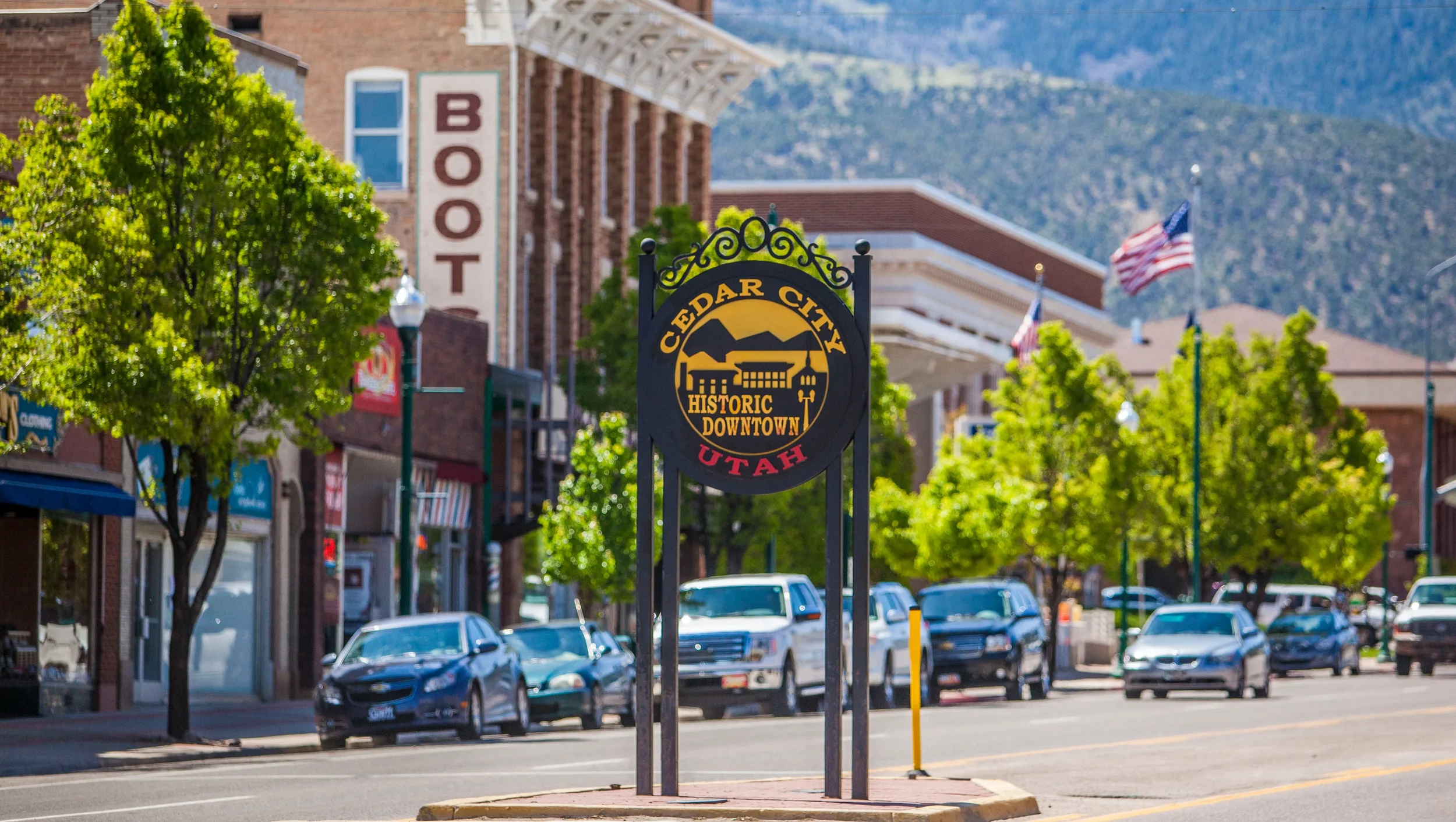
As part of its broader strategy, American Tungsten & Antimony Ltd is evaluating the development of a tertiary antimony processing facility in nearby Cedar City.
This facility would be designed to process antimony concentrate into higher-value downstream products for use in U.S. industrial and defense supply chains, enhancing domestic value-added capability.
Locating advanced processing capability within the region would:
Strengthen domestic control over critical mineral supply chains
Support U.S. manufacturing and defense industries
Create additional skilled jobs and economic activity in Southern Utah
Reduce reliance on foreign processing and refining capacity
The development of downstream processing is a key step in establishing a fully integrated, domestic antimony supply chain, subject to technical validation, market conditions, and regulatory approvals.

“Antimony is no longer just a mineral. It sits at the center of a global race with China over critical materials for national security, and projects like ours create good jobs, community investment, and long-term, sustainable opportunity for rural Utah while strengthening America’s defense and supply chains.”
— Andre Booyzen,
Managing Director
“Antimony is no longer just a mineral. It sits at the center of a global race with China over critical materials for national security, and projects like ours create good jobs, community investment, and long term opportunity for rural Utah while strengthening America’s defense and supply chains.”
— Andre Booyzen, Project Manager

A Responsible & Phased Development Plan
The Antimony Canyon Project will move forward in carefully planned phases, ensuring that each step is guided by data, environmental protection, and regulatory oversight, with transparency and accountability at every stage.

Phase 1: Exploration & Resource Mapping
Detailed geological surveys and modern geophysical techniques help identify and map mineral resources with minimal surface impact.

Phase 2: Environmental & Cultural Studies
Independent experts conduct baseline studies of water, ecosystems, and cultural resources to ensure protection of the environment and local heritage, informing responsible project design.

Phase 3: Resource Evaluation & Technical Analysis
Data from exploration and limited drilling are used to guide development decisions and identify the most responsible, efficient, and low-impact mining approach.

Phase 4: Pilot Sampling & Processing
Small-scale testing evaluates low-impact processing methods such as gravity separation, avoiding the use of toxic chemicals and confirming environmentally responsible processing techniques.

Phase 5–7: Development and Operations
Subject to regulatory approvals, the project may progress through infrastructure development, mining, and processing in a controlled responsible manner, aligned with best-practice environmental and operational standards.
All phases are subject to change and will incorporate local and regional community engagement throughout, ensuring ongoing dialogue and incorporation of community feedback.

Tungsten: Another Critical Mineral for America
Frequently Asked Questions
-
The U.S. has no domestic primary antimony production
Global supply chains are highly concentrated
Critical minerals are essential for defense, energy, and technology
Developing domestic supply is key to national security and economic resilience.
-
The project has the potential to:
Create sustainable local employment opportunities
Support regional businesses, suppliers, and contractors
Generate tax revenue to fund for public services and infrastructure
Contribute to long-term economic diversification in the region
-
American Tungsten and Antimony is a company dedicated to:
Developing domestic critical mineral resources
Establishing U.S.-based processing capabilities
Supporting integrated domestic supply chains
Aligning with U.S. policy priorities around critical mineral security
-
Antimony is essential to defense systems, batteries, fire-resistant materials, electronics, and renewable energy technologies.
-
There are currently no plans to construct a processing facility in the Antimony area.
Instead, a processing facility is planned to be developed in nearby Cedar City. -
No. The project is designed to use safe, low-impact, gravity-based processing methods that do not require toxic chemicals, helping to protect local water, land, and ecosystems.
-
Environmental protection is a core priority throughout the project life cycle. Baseline studies, ongoing water monitoring, and strict regulatory compliance will guide all project activities, ensuring responsible development and environmental stewardship.
-
Yes. The project includes active and ongoing community engagement, public meetings, and opportunities for local feedback. This process has already begun and will continue throughout all stages of the project.
Contact
Have Questions or Want to Learn More?
We are committed to building strong, long-term relationships with communities in Garfield County and Southern Utah.
We believe strong communities are built on transparency, collaboration, and open communication. We welcome your questions, feedback, and participation.
Contact us to learn more about the Antimony Canyon Project and upcoming community engagement opportunities, including public meetings and project updates.